
Bloodletting was a practice first put in place 3000 years ago which involved draining blood in order to treat illnesses. Illness for a large portion of medical history was thought to be due to an imbalance of body humors. Hippocrates believed that there were four basic humors:
- Blood
- Phlegm
- Black bile
- Yellow bile
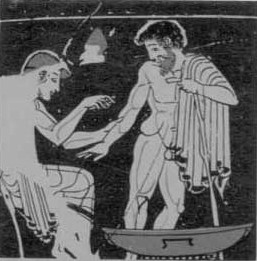
Since blood was considered to be the most dominant humor, blood letting was the most predominant practice put into place to cure illness. It was a very risky form of “therapy” as patients often experienced excessive blood loss, which hastened the progression of their disease.
Bloodletting in modern medicine is referred to as phlebotomy.
Today the practice of bloodletting is largely discredited as a means of treatment (of course we draw blood for diagnostic purposes like performing CBCs). However, phlebotomy is still used as a means of treatment for people with polycythemia vera (PV).
In PV, patients overproduce red blood cells, so their blood becomes thick and sluggish. This can cause fatigue and blurred vision, but it can also have more serious consequences like increased risk of clotting (i.e. stroke, coronary artery disease) so the first treatment for these patients is to thin the blood out by removing the excess blood cells.
So what was once considered a barbaric form of therapy is still practiced today and provides great relief to those suffering from polycythemia. Who knew!